
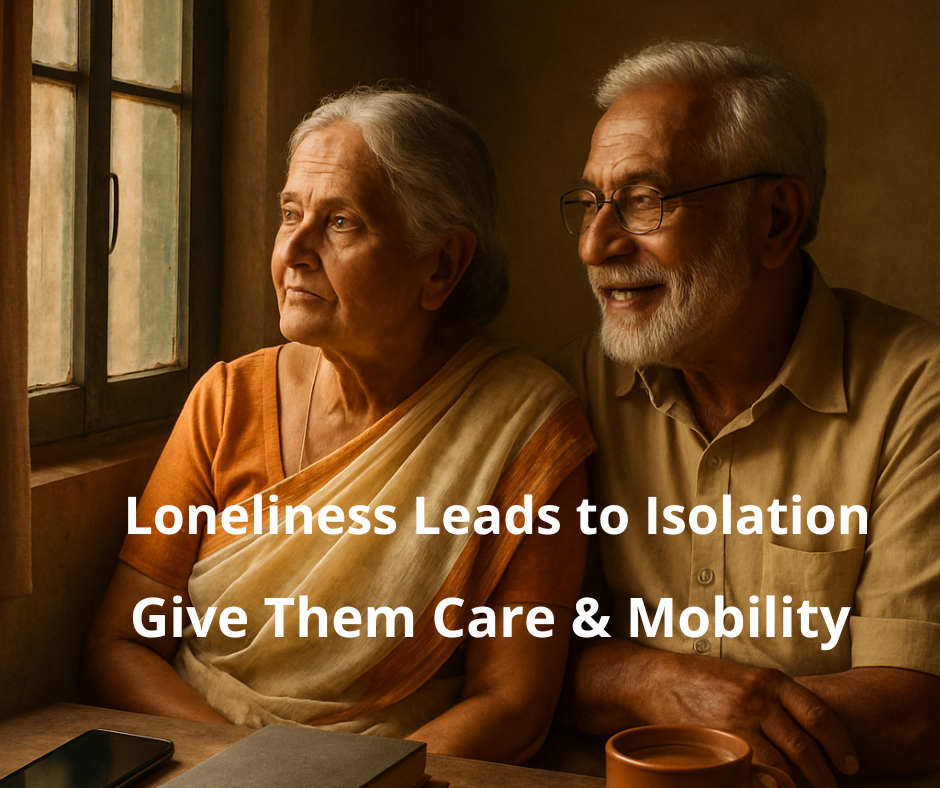
Loneliness is more than a passing feeling—it can become a persistent companion for many older adults, casting a shadow over their golden years. As life changes bring retirement, loss of loved ones, and health challenges, seniors often find themselves distanced from social circles and meaningful connections. The effects are profound, but with compassion and community, loneliness doesn’t have to be permanent. Why Does Loneliness Strike in Later Life? Several factors…
Loneliness is more than a passing feeling—it can become a persistent companion for many older adults, casting a shadow over their golden years. As life changes bring retirement, loss of loved ones, and health challenges, seniors often find themselves distanced from social circles and meaningful connections. The effects are profound, but with compassion and community, loneliness doesn’t have to be permanent.
Why Does Loneliness Strike in Later Life?
Several factors put older adults at risk:
- Loss of Loved Ones: The death of a spouse or close friends can deeply affect emotional wellbeing.
- Physical Limitations: Mobility issues and chronic illnesses may limit participation in social activities.
- Retirement: Stepping away from work often means fewer daily interactions and less structure.
- Geographical Isolation: Living far from family or in rural areas can reduce opportunities for social engagement.
- Technology Gap: Struggling with technology may exclude seniors from virtual social spaces.
The Impact: More Than Just Sadness
Loneliness doesn’t just hurt emotionally—it touches nearly every facet of health:
- Mental Health: Persistent loneliness increases risk for depression and anxiety, while also fuelling cognitive decline and dementia.
- Physical Health: Seniors dealing with loneliness face higher risks of heart disease, high blood pressure, and weakened immune systems. Sleep disruptions and unhealthy habits like inactivity or poor diet can worsen matters.
- Quality of Life: Feelings of hopelessness, purposelessness, and an unwillingness to engage in activities become common, diminishing joy in daily living.
- Increased Mortality: Research points to elevated risks of mortality among isolated seniors, partly because they may neglect to seek help when sick.
Recognizing the Signs
Being aware can help family and caregivers intervene early. Signs include:
- Withdrawal from hobbies or activities
- Noticeable decline in physical health
- Complaints about feeling left out
- Difficulty engaging in conversations
- Changes in mood, such as sadness or irritability
Overcoming Loneliness: Steps Toward Connection
Loneliness can feel insurmountable, but numerous strategies have proven effective:
- Stay Social: Joining local clubs, volunteering, or attending social events foster connections and a sense of belonging.
- Embrace Technology: Learning to use video calls, messaging apps, and social media helps bridge physical gaps and keep loved ones close.
- Seek Professional Support: Therapy, counselling, and support groups provide critical guidance and emotional support.
- Daily Engagement: Planning regular outings, walks, or scheduled activities adds rhythm and meaning to life.
- Address Barriers: Ensuring access to transportation and technology can unlock new opportunities for engagement.
- Consider Residential Care: For some, moving into senior living communities or care homes can offer built-in social support and safety.
Conclusion
Loneliness is an invisible but real challenge for many seniors, impacting mental, emotional, and physical health. Yet, simple acts—checking in, sharing a meal, teaching a tech skill, or encouraging new hobbies—can help break isolation and bring light to those who need it most. Every effort to connect counts.